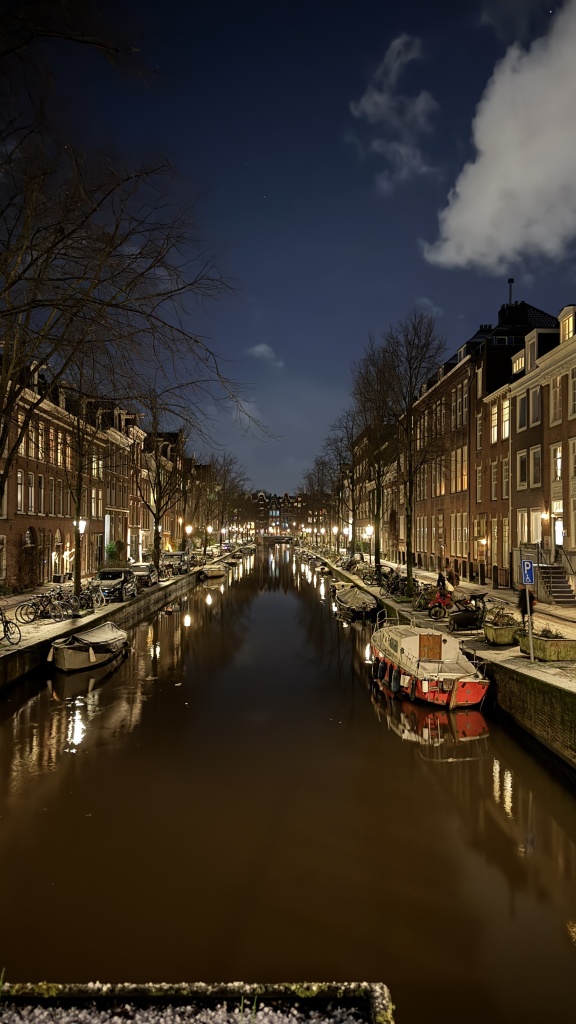

The Netherlands in April is more than just Keukenhof and canals. You could drive from north to south in four hours — and still not get to know the country. Behind Amsterdam’s canals lies a different world: fishing villages on the former seabed, towns with medieval centers devoid of tourists, and tulip fields you can walk right up to for free.
April in the Netherlands is a brief window between gray March and the tourist season. It is during this time that the tulips are in full bloom, the bike paths outside the city are nearly empty, and the cafes in the market squares haven’t yet raised their prices for the season.
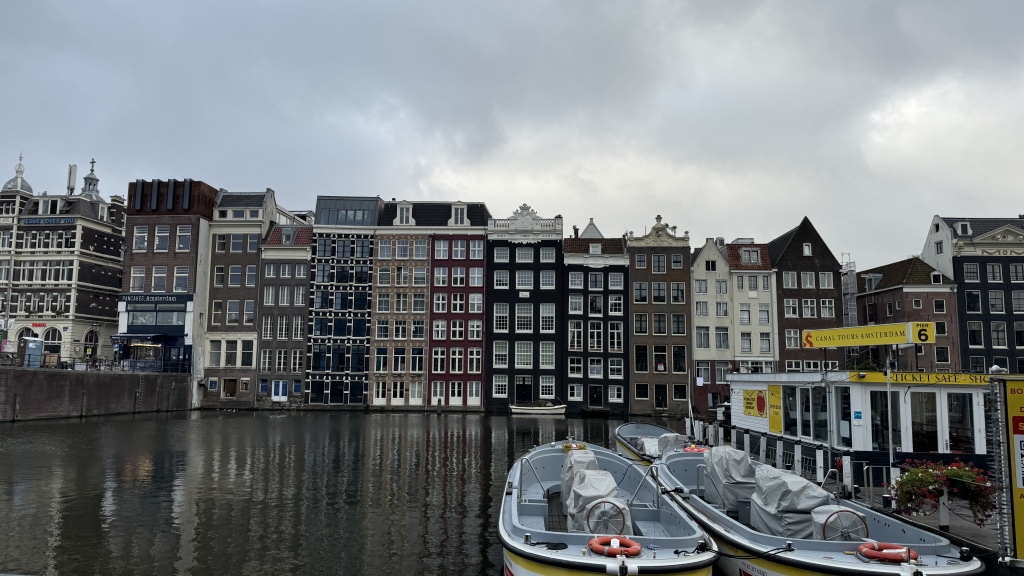
Amsterdam
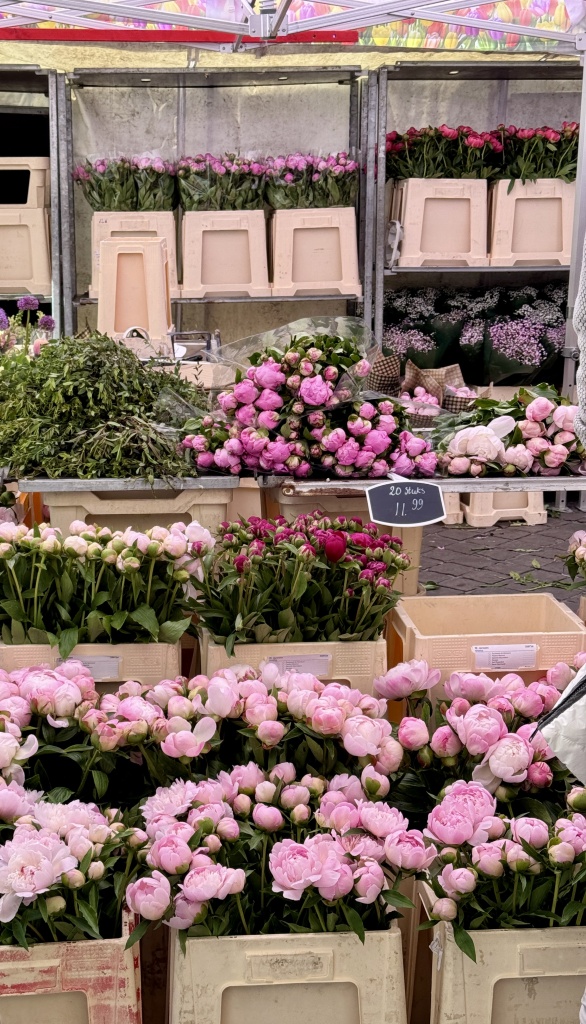
If you’re flying into Schiphol Airport, plan to spend no more than two days in Amsterdam. The De Pijp neighborhood around the Albert Cuyp Market is lively and off the beaten path: this is where locals shop for groceries. The market opens at nine in the morning, and for the first two hours, you can still stroll leisurely from stall to stall — browsing vegetables and cheeses, flowers, clothing, and household goods — before the main crowd arrives.The famous stroopwafel, fresh off the counter, costs one euro, and a bouquet of 10 tulips can be found for five euros during the season.
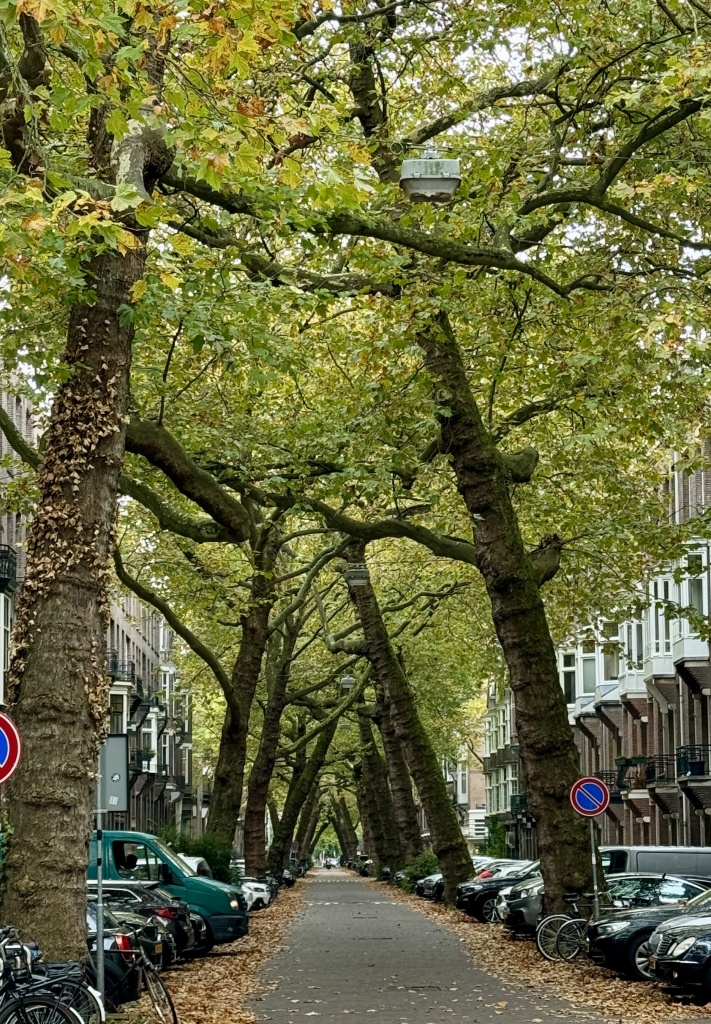
Just a 20-minute bike ride from Amsterdam lies the village of Abcoude. With not a single souvenir shop in sight, it features an old windmill overlooking the Angstel River and a village bakery where locals buy bread once a week. Tourists rarely venture here, so you can experience authentic Dutch life in its natural setting.
Haarlem — Amsterdam without the hustle and bustle
A 40-minute train ride from Central Station takes you to Haarlem. The main square, Grote Markt, with the Gothic Sint-Bavo Cathedral, is like a smaller version of Amsterdam without the crowds.
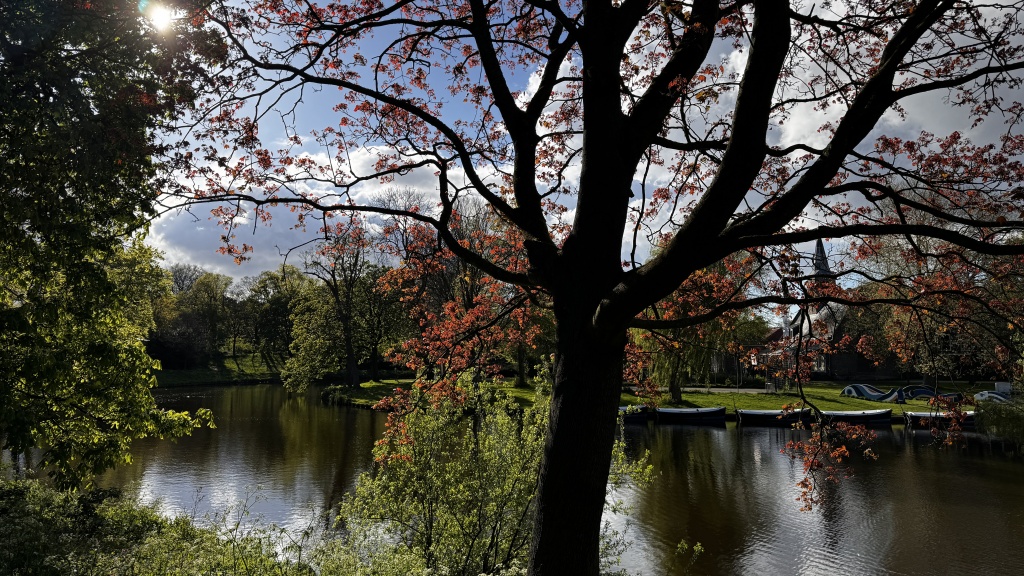
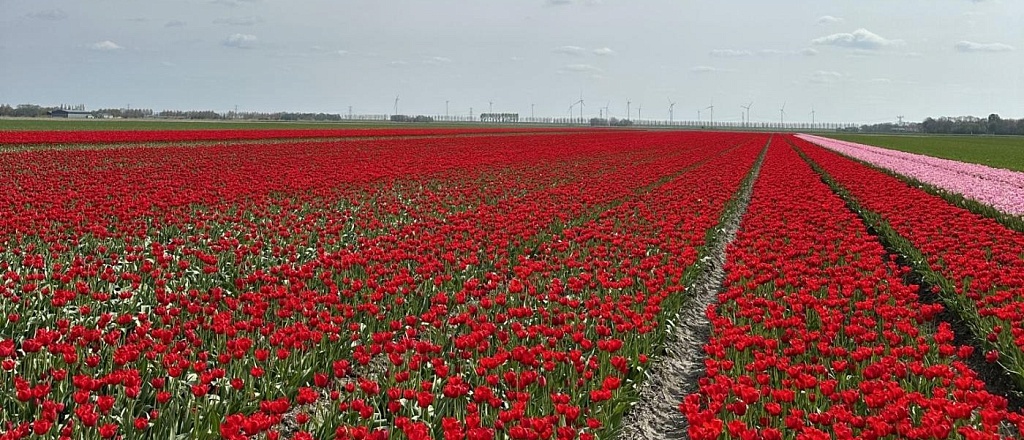
April in the Netherlands smells of tulips, but not just the ones people travel to Keukenhof to see. An hour’s drive from Amsterdam, the fields begin right by the road: you can pull over, get out, and stand right in the middle of them. No tickets or tour guides — just the horizon stretching out over rows of flowers.
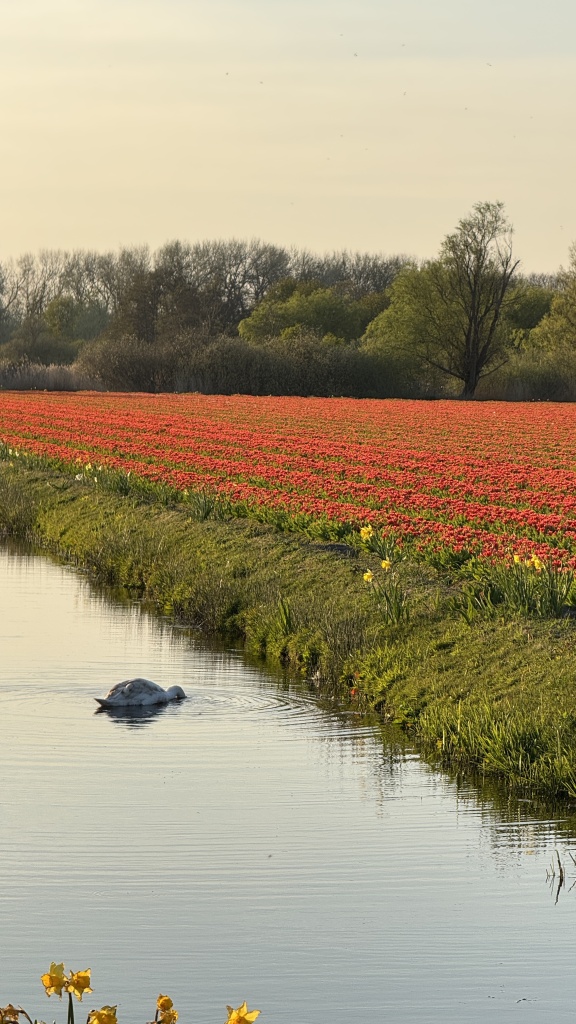
Between Haarlem and Leiden, you’ll find tulip fields along the N208. Route map: Bollenstreek, the “bulb belt.” The fields belong to farmers, not the park, so there are no ticket booths or lines. The best time to visit is on weekdays between 8 and 10 a.m., before the buses with organized groups arrive.
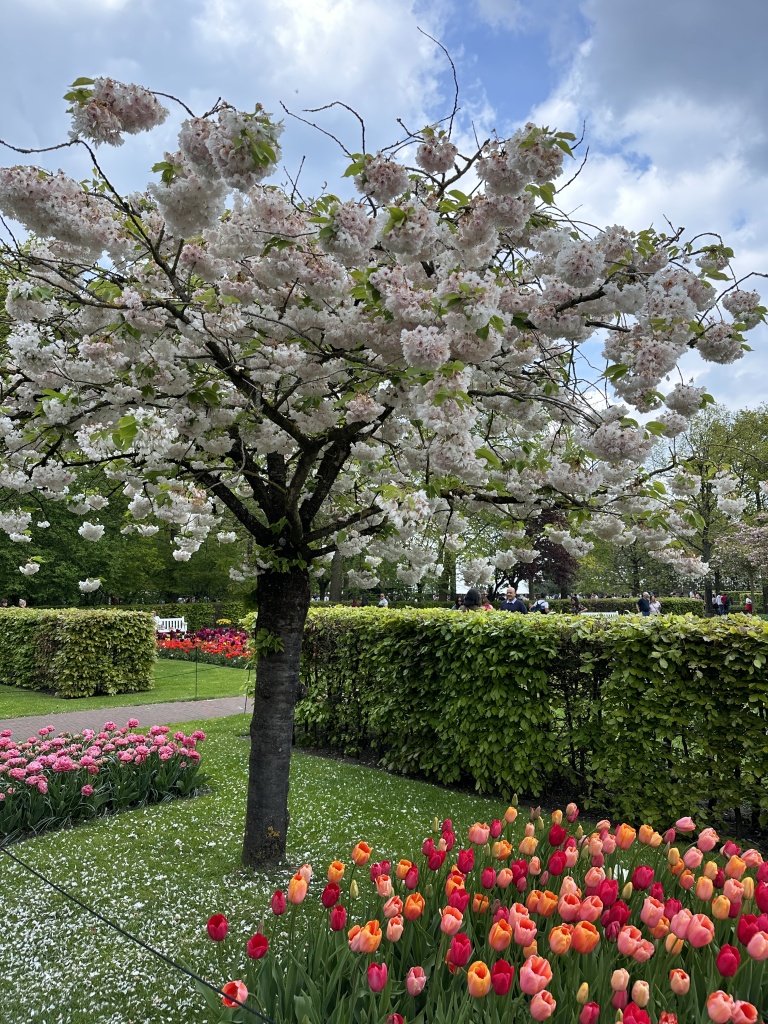
Keukenhof is definitely worth visiting at least once in your life — just remember that it’s best to book tickets a few weeks in advance, and the best light for photos is early in the morning.
Leiden — a student city with interesting museums
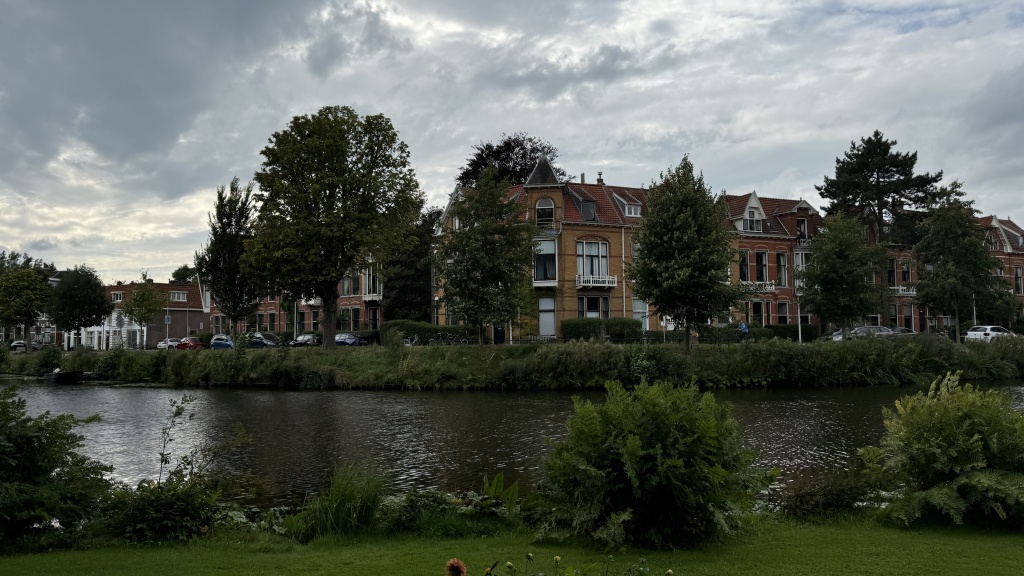
Leiden is one of those Dutch cities where canals are still part of everyday city life, rather than just a backdrop for tourists. Rembrandt studied here and Spinoza worked here, and LeidenUniversity — founded in 1575 — is one of the oldest in Europe.
The National Museum of Antiquities Rijksmuseum van Oudheden houses Egyptian mummies and a reconstructed temple from Taphis — a gift from Egypt to the Netherlands in gratitude for assistance with the construction of the Aswan Dam. The lines here are much shorter than at Amsterdam’s Rijksmuseum, and the experience is even more impressive.
Insider tip: Molen De Valk windmill complex — admission is free from the outside, and it’s almost always empty.
Utrecht — a youthful, multicultural city
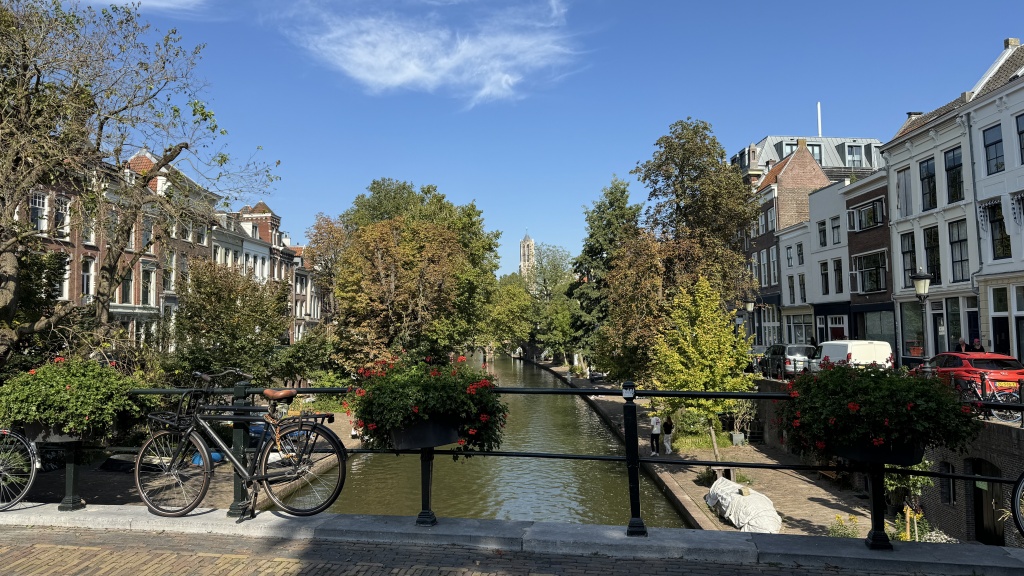
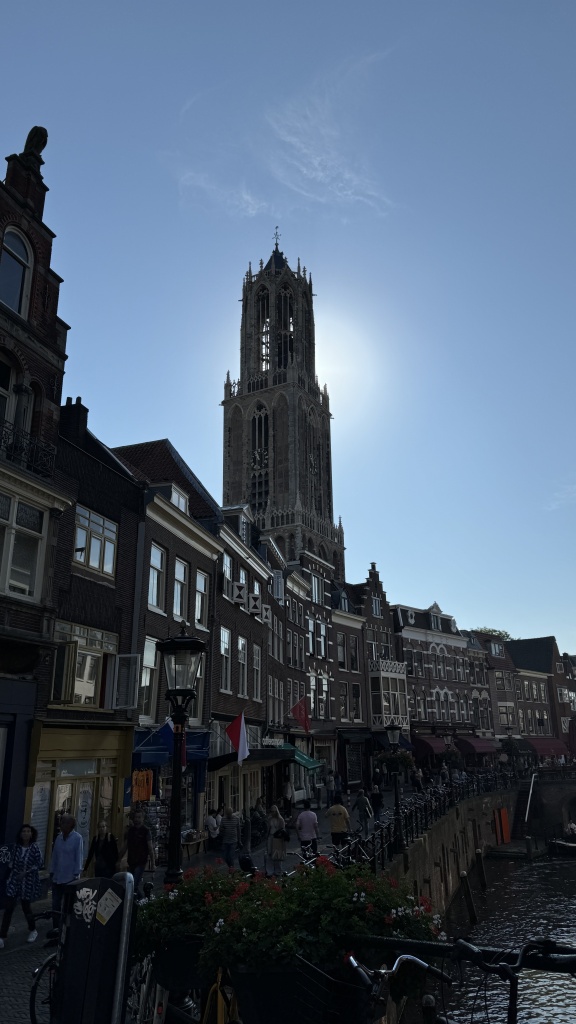
Utrecht ranks fourth or fifth among tourist destinations in the Netherlands, although it consistently ranks first among Dutch cities in terms of quality of life. Its two-level waterfronts are a unique architectural feature: the lower level is right by the water, with terraces and bars, while the upper level is reserved for pedestrians
The bicycle tunnel under the train station is the world’s largest bicycle parking facility, with 13,000 spaces. Tourists don’t usually go there, but the sheer scale is impressive.
The Winkel van Sinkel café on Oudegracht Square is a former 19th-century department store with a colonnade. Brunch is served here until 2 p.m., and the apple pie is a local specialty.
Zaanse Schans and Marken — a museum village and a former island
Zaanse Schans is a museum village with working windmills located 20 minutes from Amsterdam; admission is free for visitors viewing from the outside. A common mistake: arriving at 11 a.m. on a weekend. A better time to visit is around 8 a.m. on a weekday in April, when the first cheese shops are just opening.
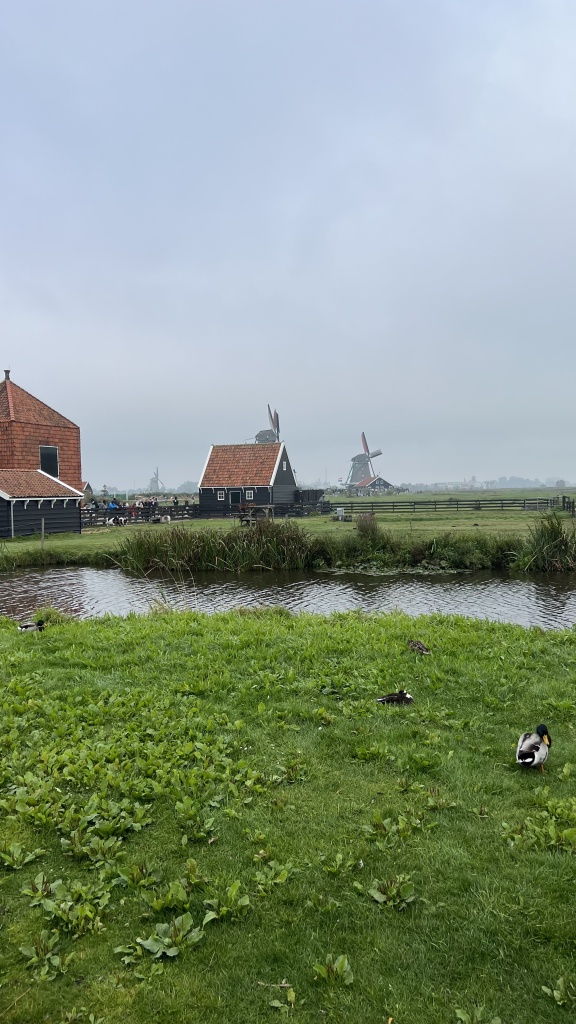
From Zaanse Schans, you can take a free ferry with your bike across the IJ Bay to the village of Marken. Until 1957, Marken was an island, and the locals still preserved their traditional festive attire. The village stands on stilts above the water — a style of architecture found nowhere else.
Maastricht — a completely different Netherlands
In the south of the country, near the border with Belgium and Germany, Maastricht speaks its own dialect, eats different food, and looks like a Flemish city rather than a Dutch one. A three-hour train ride from Amsterdam — and a whole different world.
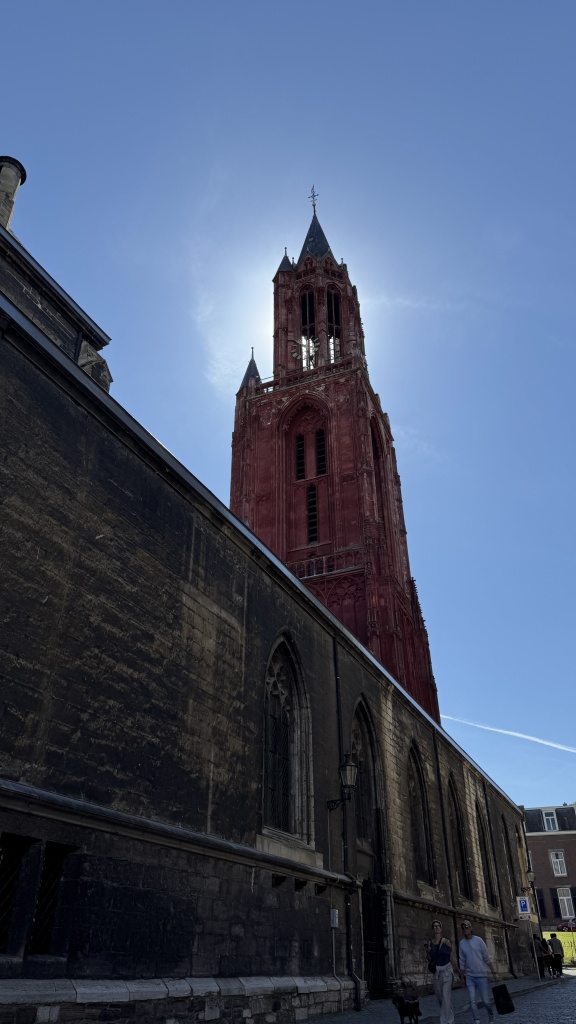
Vrijthof Square — one of the largest market squares in the country — is lined with cafés serving Liège waffles and Flemish fries. In April, the city hasn’t yet filled up with tourists, but all the restaurants are already open.
Beneath the city lie miles of underground passages carved into the marlstone cliffs: the Maastrichtse Kazematten and Fort Sint Pieter. Guided tours are available for small groups, and flashlights are provided at the entrance.
Practical Tips
Transportation: The OV-chipkaart is the most convenient option for traveling by train and bus. You can purchase it from a vending machine at any train station. In most cities, you can rent a bicycle right there: the OV-fiets network operates at train stations using the same card, with rentals starting at 10 euros per day.
Accommodation: April is peak season in the Keukenhof area, and accommodation prices reflect this. Haarlem and Leiden are cheaper than Amsterdam, yet they offer just as easy access to the main attractions.
Weather: In April, temperatures range from 10 to 15 degrees Celsius, and while there is rain, showers are brief. You’ll need a waterproof jacket; an umbrella would be cumbersome while cycling.