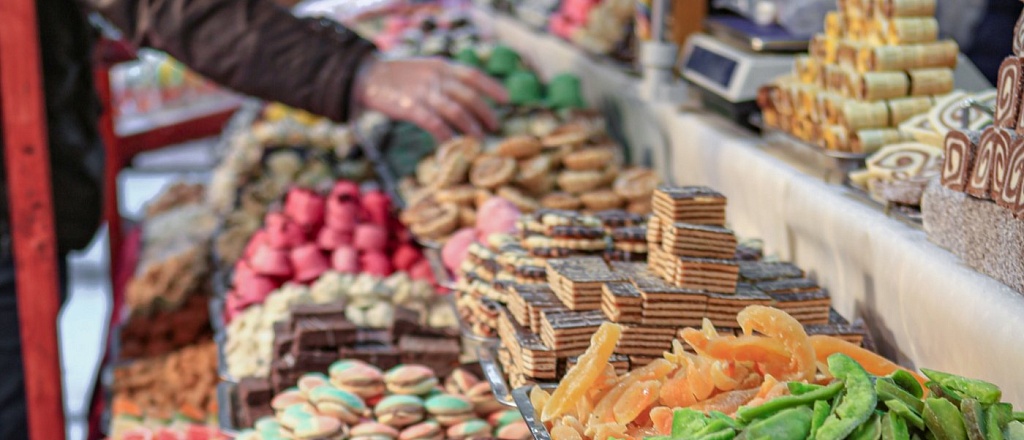

Central Asia is home to some of the world’s most unique and powerful superfoods. From fermented dairy products to nutrient-rich dried fruits, these traditional foods have been consumed for centuries and are known for their health benefits. Whether you’re a traveler looking to try something new or a health-conscious eater searching for natural remedies, here’s your ultimate guide to Central Asian superfoods.
Kumis — the fermented elixir of the steppe
What is it
Kumis is a fermented mare’s milk that has been a staple in the diet of Central Asian nomads for centuries. It is similar to kefir but has a thinner consistency and a slightly tangy taste.
Health benefits:
— rich in probiotics: supports gut health and digestion
— boosts immunity: contains vitamins B12 and C
— a natural energy drink: helps with fatigue and revitalization
Where to try it
1. In Kazakhstan and Kyrgyzstan, kumis is widely available in summer at local markets and roadside stalls.
2. Visit nomadic settlements for an authentic kumis experience, where you can see the traditional fermentation process.
Shubat — camel milk with healing powers
What is it
Shubat is fermented camel’s milk, known for its strong taste and even stronger health benefits. It is particularly popular in Kazakhstan and Uzbekistan, where people consume it for its medicinal properties.
Health benefits:
— highly nutritious: contains 10 times more iron and vitamin C than cow’s milk
— great for digestion: works as a natural probiotic
— anti-inflammatory properties: helps with gut health and skin conditions
Where to try it
1. Best found in southern Kazakhstan, particularly in Shymkent and Turkestan, where camel herding is common.
2. Many dairy farms sell bottled shubat in local supermarkets.
Kurt — the ultimate Central Asian snack
What is it
Kurt is a dried dairy product made from strained yogurt. It is often salted and can be eaten as a snack, dissolved in water for a refreshing drink, or used in cooking.
Health benefits
— rich in protein: great for muscle recovery
— contains essential minerals: high in calcium and phosphorus
— long shelf life: ideal for travelers and nomads.
Where to try it
1. Available in bazaars across Central Asia, especially in Osh Bazaar — Bishkek and Chorsu Bazaar — Tashkent.
2. Try homemade kurut from local farmers in Kyrgyzstan and Uzbekistan.
Halva — a sweet energy booster
What is it
Halva is a traditional Central Asian dessert made from ground seeds or nuts mixed with sugar and oil. The most common type is sunflower seed halva, though sesame (tahini) halva is also popular.
Health benefits:
— great for brain health: packed with healthy fats and antioxidants
— natural energy source: a quick boost of carbs and protein
— heart-friendly: contains essential fatty acids.
Where to try it
1. Found in markets across Central Asia, often sold in blocks or slices.
2. Uzbek halva is particularly famous for its rich, nutty flavor.
Dried fruits & nuts — the original Central Asian superfoods
What are they
Central Asia is famous for its apricots, figs, raisins, almonds, and walnuts, which are naturally sun-dried and packed with nutrients.
Health benefits:
— high in fiber: supports digestion and gut health
— loaded with vitamins: great for immunity and skin health
— natural source of energy: a perfect snack for active lifestyles.
Where to try it
1. Visit Siab Bazaar — Samarkand or Green Bazaar — Almaty, for the best selection of dried fruits and nuts.
2. Many families in Tajikistan and Uzbekistan sun-dry their own apricots, creating the famous “kuraga” — dried apricot.