
Planning a trip to Kyrgyzstan? This country wins you over at first sight with its majestic mountains, crystal-clear lakes, ancient traditions, and incredible hospitality. To make the most of your journey and avoid surprises, it’s important to be prepared. Here are ten key things to know before visiting Kyrgyzstan.
Visa-free entry and immigration rules
Kyrgyzstan is open to travelers. Citizens of more than 60 countries, including EU states, the United Kingdom, the United States, Canada, Turkey, and others, can stay in the country visa-free for up to 60 days. If you plan to stay longer, you will need to register or apply for a visa. Upon arrival, check whether you need to register within five days, as it depends on your nationality. It’s best to confirm the requirements in advance on the Kyrgyz Ministry of Foreign Affairs website or consult the nearest embassy.
Mountains
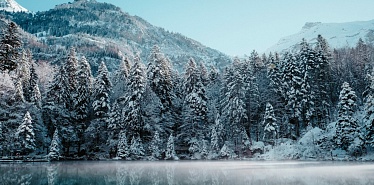
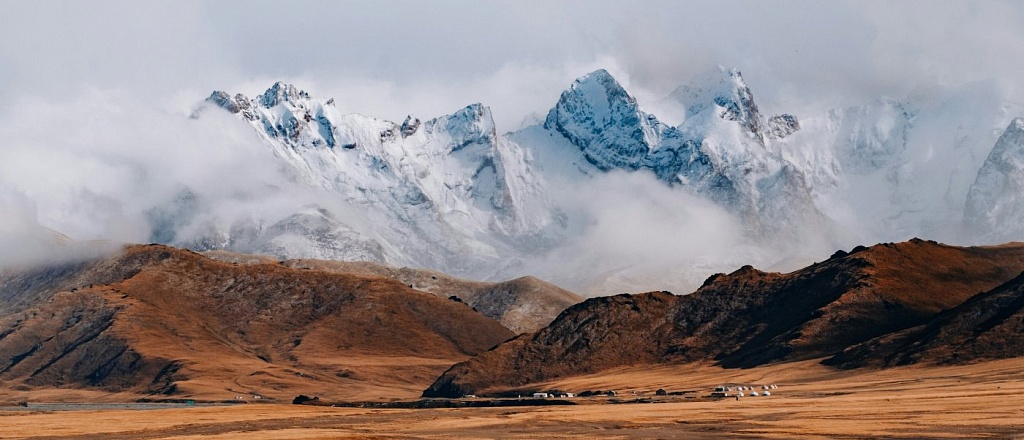
Around 90 percent of Kyrgyzstan is mountainous. It’s a dream destination for hikers, climbers, and adventure seekers. Popular locations include Issyk-Kul, Ala-Archa, Son-Kul, Jeti-Oguz, and the Suusamyr Valley. However, mountain travel requires good physical condition, the right gear, and time to acclimatize. Weather can change rapidly, and even in summer, rain and snow are possible at higher altitudes.
Best time to visit
The ideal time to travel is from May to September. During these months, the weather is warm, dry, and perfect for outdoor activities. July and August are great for swimming in Issyk-Kul Lake, hiking, and experiencing festivals. To see nomadic yurts on mountain pastures, visit between June and August. Winter is also an option for ski lovers, with resorts like Chunkurchak, Karakol, and Orlovka offering affordable and less crowded alternatives to the Alps.
Hospitality
You may be invited for tea by people you've just met — that’s how strong the local hospitality culture is. A guest is considered a blessing, and it’s common to be offered tea, sweets, bread, fruit, or even a full meal. In rural areas, you might be offered kumis, a fermented horse milk drink, or bozo, a fermented grain beverage. It’s polite not to refuse too abruptly — try a little and thank your hosts warmly.
Internet and mobile connection
In Bishkek, Osh, and other large cities, mobile internet and Wi-Fi in cafes and hotels are reliable. In mountainous or remote areas, connection may be limited or unavailable. It’s recommended to buy a local SIM card — popular operators include Beeline, MegaCom, and O! — and to download offline maps such as Maps.me. If heading into the mountains, always let someone know your route and expected return time.
Local cuisine
Kyrgyz cuisine is hearty and meat-based. Must-try dishes include beshbarmak , plov, lagman, manty, and samsa. Tea is served almost everywhere. Kumis has a strong, unusual taste that may not suit everyone. In cities and tourist areas, there are many affordable cafes, but hygiene can vary. If you have a sensitive stomach, it’s best to avoid street food and stick to bottled water.
Languages
Kyrgyz is the official state language, and Russian also has official status and is widely used, especially in cities. In rural areas, people mostly speak Kyrgyz, but many understand at least some Russian. English is spoken in tourist centers, but not commonly used in everyday life. Learning a few basic phrases in Russian or Kyrgyz can help you feel more confident and connected.
Money
The official currency is the Kyrgyz som. Credit cards are mostly accepted in Bishkek and other cities, but even in the capital, occasional system failures can occur. It’s wise to carry cash, particularly when traveling to rural areas. Currency exchange is available in banks and exchange offices, often at better rates than at the airport. In the mountains and at local markets, only cash is accepted.
Traditions and customs
Kyrgyzstan is a secular country, but traditions are strong, especially in rural and mountainous regions. Modest clothing is appreciated, especially for women. You should remove your shoes when entering someone’s home. Public displays of affection are uncommon in villages and may be frowned upon. Always ask before taking photos of people — it’s considered disrespectful to do so without permission.
Transportation
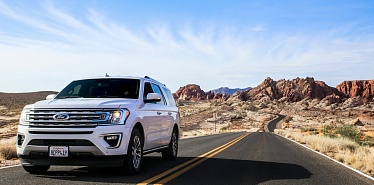
Public transportation in Kyrgyzstan consists mainly of shared minibuses and buses. In cities, this is an inexpensive way to get around, but it can be cramped and hot. Intercity minibuses depart from bus stations, though schedules can be flexible or unreliable. If you want more freedom to explore, renting a car is a good option. Make sure the vehicle is suitable for rough terrain, especially if you’re heading into the mountains.