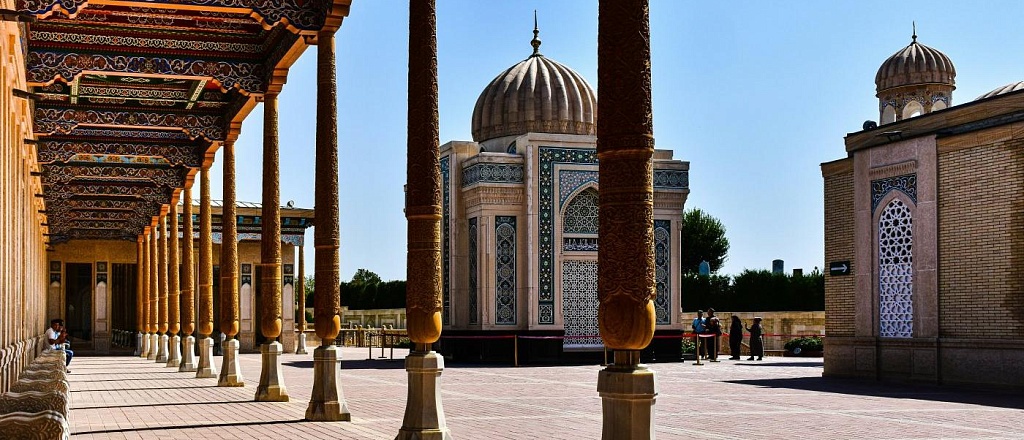

Once a remote dream for seasoned travelers, Central Asia is now easier, safer, and more rewarding to explore than ever before. With streamlined visas, low-cost flights, and improved infrastructure, the Silk Road is back — not as a relic, but as a vibrant, living journey. Here's how to do it right in 2025.
Rediscovering the Silk Road
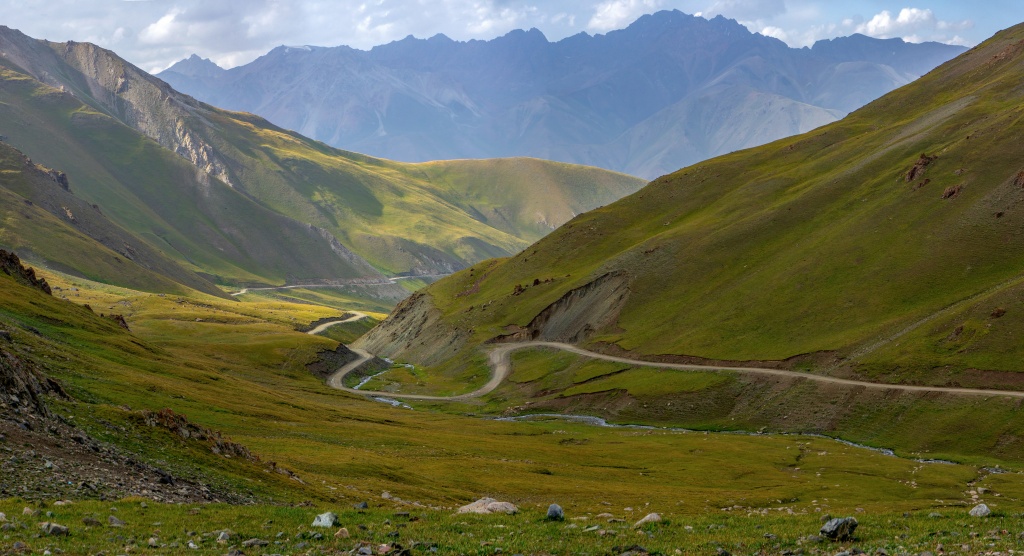
Once the lifeline of trade and culture between East and West, the Silk Road is no longer just a page in history books. In today's world, the countries of Central Asia offer a fascinating, safe, and still relatively underexplored destination. With visa requirements easing and travel infrastructure improving, expats living in the region and international travelers alike are rediscovering the route as a modern journey full of cultural depth, breathtaking landscapes, and rich experiences.
Why travel to Central Asia now
Central Asia is entering a new era of openness. Kazakhstan, Uzbekistan, and Kyrgyzstan have introduced visa-free regimes for many nationalities, and even Tajikistan and Turkmenistan are becoming more accessible. What was once a difficult region to explore is now welcoming and better connected.
Travelers are drawn to Central Asia for its unique combination of Soviet nostalgia, Islamic architecture, nomadic culture, and untouched nature. Unlike popular destinations in Europe or Southeast Asia, you won’t find overcrowded attractions here — instead, expect warm hospitality, strong tea, and conversations that last longer than your phone battery.
Getting around the region
One of the most exciting aspects of Central Asia is how easy it has become to move between the countries.
Popular Route: Kazakhstan → Uzbekistan → Kyrgyzstan is the most convenient triangle. For the adventurous: Add Tajikistan for high-altitude thrills or Turkmenistan for surreal experiences.
Transport Options:
Trains. Comfortable and scenic. Uzbekistan’s high-speed Afrosiyob and Kazakhstan’s Talgo trains are worth trying.
Flights. Low-cost carriers like FlyArystan and Qazaq Air connect major cities.
Road Travel. Buses and shared taxis are cheap and reliable. Renting a car is doable, especially in Kazakhstan and Kyrgyzstan.
Always check visa requirements and border crossing conditions — especially for land borders.
What to See in Each Country
Kazakhstan
Almaty. A cosmopolitan city with mountain escapes like Big Almaty Lake, Charyn Canyon, and Kolsai Lakes just hours away.
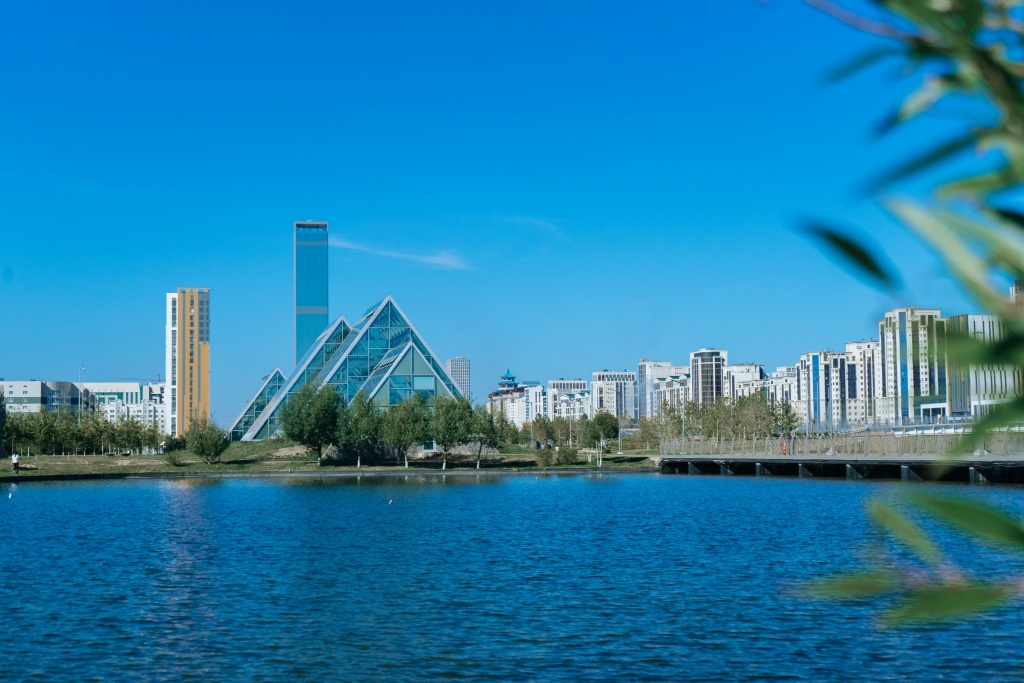
Astana. A futuristic capital with bold architecture and modern museums.
Mangystau. A remote desert region with surreal rock formations and underground mosques.
Uzbekistan
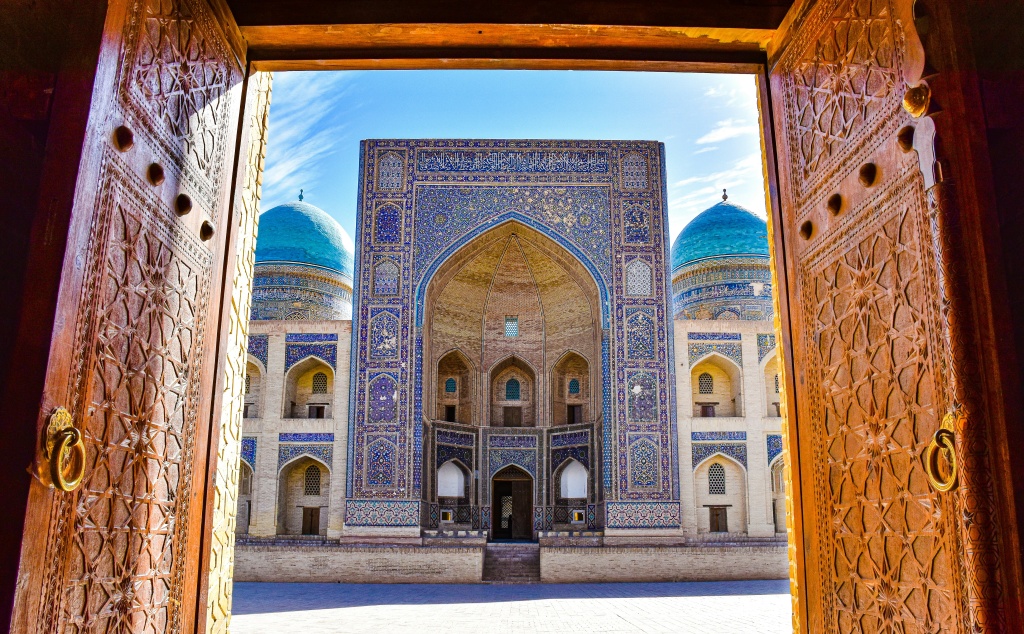
Samarkand, Bukhara, and Khiva. The crown jewels of the Silk Road, with tiled mosques, madrasas, and bustling bazaars.
Tashkent. Soviet charm meets modern buzz. Great food, metro art, and green boulevards.
Moynaq and the Aral Sea. A haunting but fascinating eco-tourism site.
Kyrgyzstan
Bishkek. Gateway to mountains, with Soviet monuments and leafy parks.
Issyk-Kul Lake. Central Asia’s beach-meets-mountain getaway.
Song-Kul & Jyrgalan. Yurt stays, horseback riding, and genuine nomadic life.
Tajikistan
The Pamir Highway. One of the world’s highest and most dramatic road trips.
Dushanbe. A surprisingly relaxed capital with leafy streets and mountain views.
Turkmenistan
Darvaza Crater. A fiery gas crater in the middle of the desert.
Ashgabat. The "white city" of marble, monuments, and mystery.
Culture, food, and local tips
Cuisine highlights: Plov in Uzbekistan, lagman in Kyrgyzstan, beshbarmak in Kazakhstan. Fresh bread — lepeshka, meat-heavy dishes, and abundant tea.
Cultural etiquette: Dress modestly in rural or traditional areas. Russian is widely spoken, but English is growing among younger people. A small gift or polite greeting goes a long way.
Connectivity & essentials: SIM cards are cheap and easy to buy. Google Maps works, but locals prefer 2GIS or Yandex Maps. Carry cash — cards aren’t accepted everywhere, especially in rural towns.
Best times to visit: spring and fall offer pleasant weather across most of the region.
Money matters: exchange rates vary, so check ahead. ATMs are widely available in cities. Central Asia is affordable, but costs can vary. Budget travelers can survive on $30-50/day, mid-range comfort is around $700100/day.
Health & Safety: travel insurance is recommended. Tap water isn’t always safe to drink—stick to bottled water. Vaccinations aren’t mandatory but check for recommendations.
Conclusion
Traveling the new Silk Road is not just about seeing beautiful places, but engaging meaningfully with the people and culture. Consider:
— staying in family-run guesthouses instead of chains.
— hiring local guides or joining community tourism projects
— learning a few words in local languages
— avoiding single-use plastic and being mindful of local customs.
Central Asia is no longer just a remote corner of the world — it’s a rising travel destination filled with potential. Whether you’re an expat looking for your next weekend escape or a global traveler seeking an off-the-beaten-path adventure, the Silk Road is waiting. Pack your bag, download a map, and follow the route where history and modern life collide in unforgettable ways.