The Head of Chevron Direct Investment Fund spoke about how the fund supports the growth of Kazakh companies and creates jobs, and also shared his approach to effective leadership in an international company.
John Dorffeld, Head of Chevron Direct Investment Fund, Almaty, linkedIn
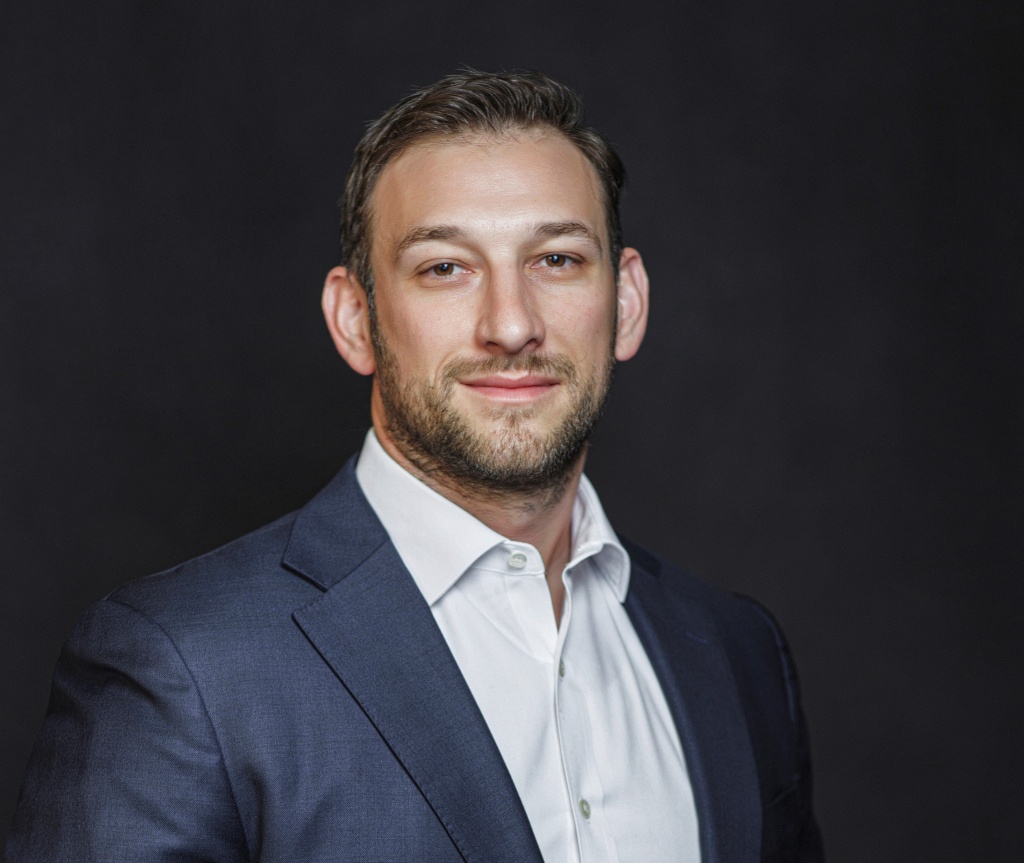
About myself
I am originally from the USA. I studied at the United States Military Academy at West Point. I served six years in the army, after which I earned an MBA degree at the Tuck School of Business at Dartmouth College. In the summer of 2009, I completed an internship at Chevron and joined the company full-time in 2010.
At Chevron, I joined the leadership development program for MBA graduates — a series of rotations across different divisions that helps you better understand the company. I worked in several Chevron divisions in different countries, including the USA, Scotland, and Australia.
About two and a half years ago, I moved to Almaty. At first, I worked on infrastructure projects, and a few months ago I joined the Chevron Direct Investment Fund team.
Overall, my career has mainly been connected with negotiations, transactions, business opportunity development, as well as managing teams engaged in these areas.
About the company
The Ministry of Energy of the Republic of Kazakhstan and Chevron signed a Memorandum of Understanding on directing reinvestment funds to support Kazakh enterprises.
Within the framework of the agreement, Chevron Direct Investment Fund Ltd. was created — a fund that invests in profitable local companies. It opens new opportunities for investments in local enterprises from various sectors: manufacturing, works and services in the oil and gas sector, technology and digital solutions, as well as projects in the field of environmental sustainability.
We invest in private Kazakh companies to provide them with capital for growth. The goal is sustainable development of the private sector: job creation, production expansion, new technologies, and equipment.
The initial size of the fund in 2021 amounted to USD 248.5 million. The form of participation is equity capital, while CDIF’s ownership share in projects should not exceed 49%. Deal size varies from USD 5 to 50 million. However, the fund can accept applications from projects with both smaller and larger deal sizes, provided they pass the investment assessment and meet the approved selection criteria. The list of criteria includes: high profitability, compliance with corporate governance principles, financial and non-financial risks, compliance with required environmental and social indicators, and portfolio diversification.
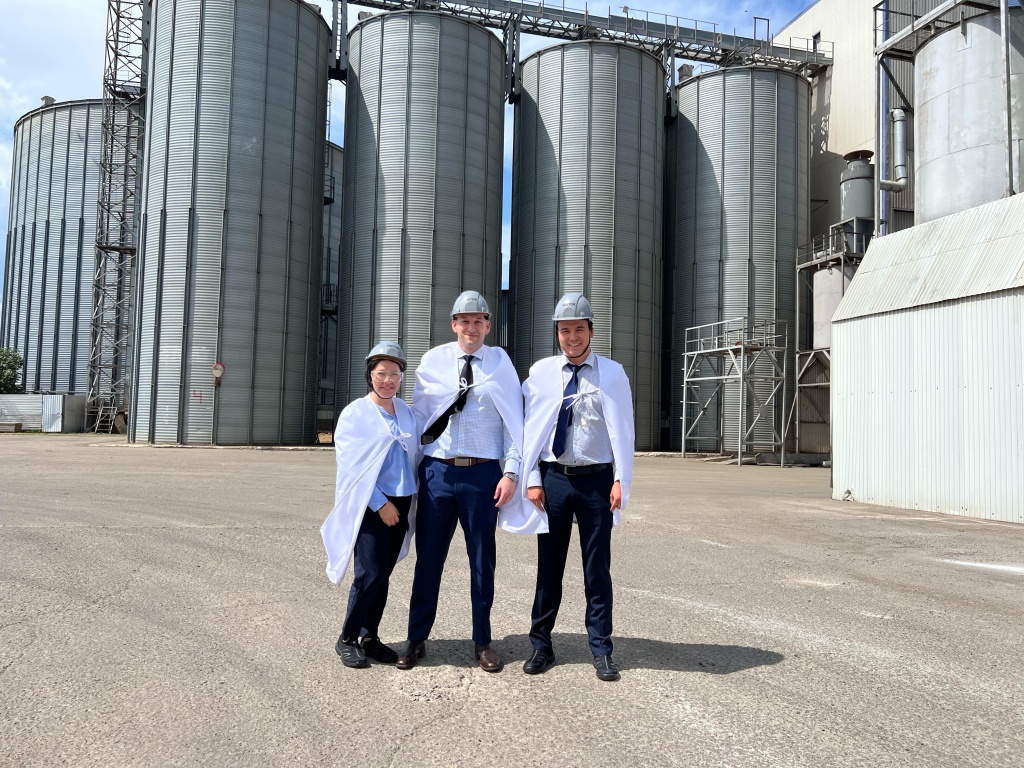
The fund has been operating in its current form for about three years. During this time, we have formed a notable investment portfolio. The first deal was the digital platform Top.kz, followed by a wind farm near Aktau, where the infrastructure was fully upgraded, and new turbines were installed. In Almaty, we supported AB Supply, a door manufacturer that is now expanding into new product lines. A significant investment was the Orhun Medical project, which is developing early diagnostics centers and a modern hospital. The most recent investment to date is BioOperations in the North Kazakhstan region, producing bioethanol and feed products.
The portfolio turned out to be diversified, and in the coming years, we want to shift the focus to western Kazakhstan. In 2026, we plan to pay more attention to projects in this part of the country, especially those related to energy and service activities.
About corporate culture
Chevron is a global company. Wherever you work, there are universal principles: respect, responsibility, and teamwork.
I was surprised by how important interpersonal relationships are in Kazakhstan, as well as attention to family and involvement in social life. We work a lot with communities and participate in social and volunteer projects.

Chevron has a team-oriented and open corporate culture. The Almaty office is predominantly staffed by Kazakh employees, among whom there are about five to seven expats. For me, relocating here with my family was easy and comfortable.
Despite the large volume of the fund’s work, the team consists of only four people. Specialists oversee interaction with government bodies and partners, monitor ongoing projects and their reporting, and also search for new opportunities.
What it means to be a leader
Leadership for me is based on two key principles. The first is the results. A leader has specific tasks and clear goals, and the company trusts him with the best way to achieve them. He can involve different divisions of the company, use colleagues’ expertise, and receive advice from various teams, but ultimately, responsibility for the result always lies with him. The second is team development. I believe that a team should be able to work even without its leader. Therefore, my task is to create growth opportunities for people. The key decision of a leader is building a team. And I was lucky: in CDIF, in my opinion, one of the strongest teams in Chevron has been assembled.
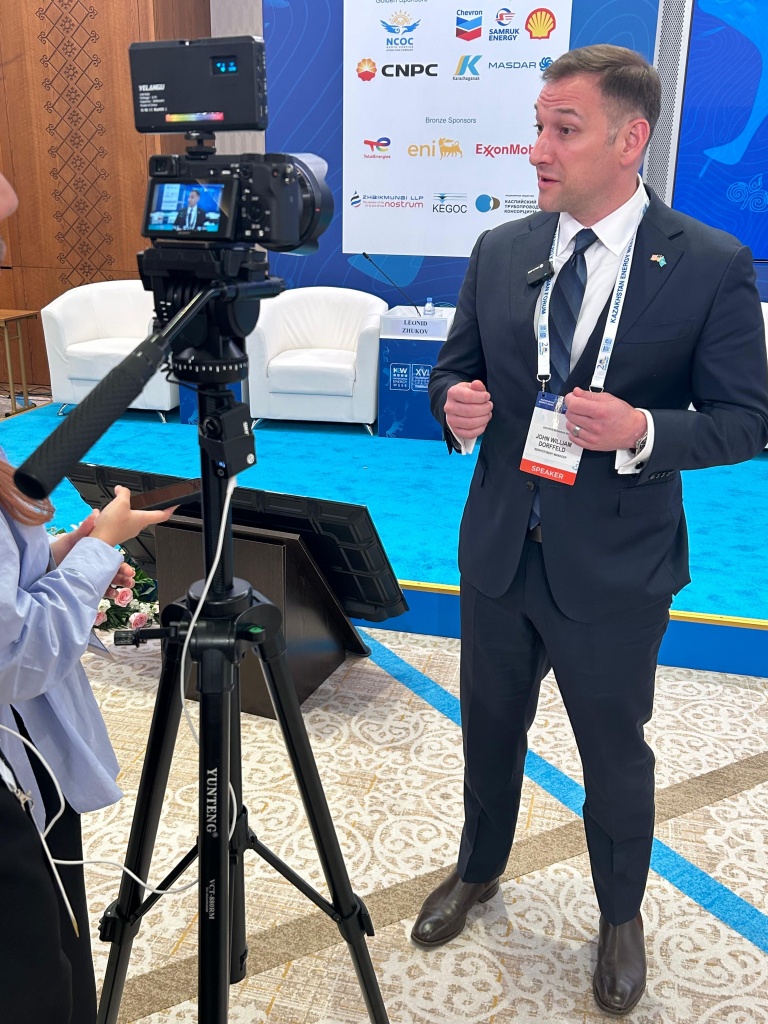
The company provides employees with opportunities for continuous professional development. Growth does not end with university. We offer on-the-job training, as well as access to international training programs across company divisions around the world. It is important to me that every employee is prepared not only for their current role, but also for future challenges. And when such opportunities arise, I consider it my duty to help them achieve them.
The most important quality of a leader is the ability to build a trusting environment. Team members must be confident in the support of their colleagues. Predictability and transparency are important here. We even have an internal principle: no surprises. My task is to inform the team in advance about everything that may affect work. Colleagues, in turn, do everything to ensure that I am not caught off guard. This trust should also extend to interactions with external partners.
The second fundamental principle of a leader is impeccable ethics. Everything must be correct, without gray areas. This is important anywhere in the world.
And the third is a balanced, calm approach. I always try to clearly define deadlines: if a task is not urgent, I say so directly. In the past, I have seen people work all night because of unclear instructions from a manager, and that is wrong.
A leader must also understand that he is not alone. We have a powerful support system — experts from Houston, London, and Singapore. At any moment, we can turn to those who have the necessary experience.
Of course, there are many challenges in a leadership role. First, it is necessary to prove yourself as a strong specialist and earn trust. Talented leaders have the opportunity to prove themselves and find their path through various projects and initiatives.

Another serious challenge is the external representation of the company. Any communication with partners, especially during negotiations, must be precise, correct, and well thought out. When a person is ready for this level of responsibility, we provide them with appropriate tasks.
About time planning
For me, everything begins with a simple principle: first and foremost, we are people. Work is important, but it is not the whole of life. Everyone has a family, hobbies, and their own concerns. If a team member needs to resolve personal matters during working hours, we are prepared to accommodate them. Yes, we have schedules, trips, and tasks, but all of this must be combined with family life priorities. You cannot demand maximum dedication from a person if they have difficulties at home.
Chevron provides many tools to support work-life balance. This is based on a simple idea: a healthy balance makes us more productive. If a person burns out, no technology will help them work effectively.
About plans
Unlike classical investment funds, exiting a deal is not the main goal for us. We evaluate effectiveness differently: by whether the business creates jobs, how sustainable it is, and whether it brings long-term benefits to the economy of Kazakhstan.
Usually, the fund returns to the question of exit four to seven years after the investment. We operate in a more flexible format: if a company is developing successfully, the entrepreneur can initiate our exit and continue to grow independently.
We have already invested about USD 90 million, support and accompany operating companies, but our main focus is on new projects. In the next two and a half years, we plan to make additional investments. The priority is western Kazakhstan, especially projects related to energy and services around it.