We recently hosted a live session as part of the Educational Bridge project, where we talked about studying at Johns Hopkins University. Based on that conversation, we’ve put together this article, highlighting the key insights on programs, research opportunities, admissions, and student life — everything you need to know in one place.
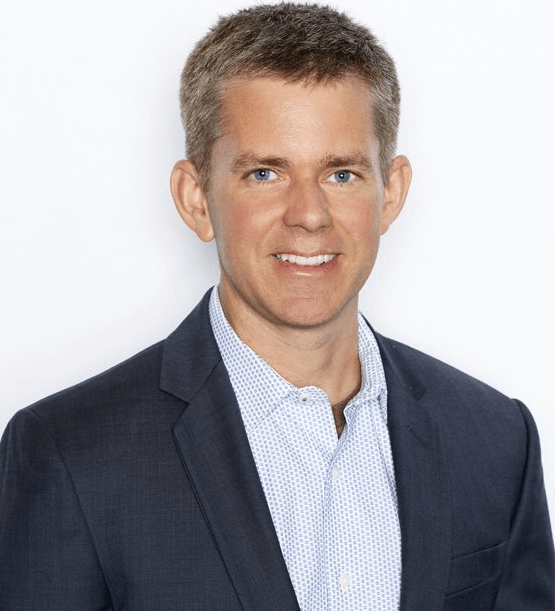
Cristopher Moen, Senior Lecturer and Director, MSE in Civil Engineering
About Johns Hopkins University
As many of you probably know, Johns Hopkins is a research-focused university. It was founded in the mid-1800s with the mission to advance knowledge through research — and that philosophy still defines the university today.
What makes Hopkins truly unique is how connected all its divisions are. We have ten of them — from the School of Advanced International Studies and the Applied Physics Lab to the Krieger School of Arts and Sciences, the Whiting School of Engineering, and even a world-class music conservatory. What I love is that there aren’t rigid barriers between them. People move freely, collaborate, and share ideas. The whole structure is designed to make interdisciplinary work natural — less bureaucracy, fewer walls, more freedom to explore.
When students ask where they might fit best at Hopkins, I always tell them: talk to us. Let’s figure out what kind of research or program truly matches your goals.
About the PhD Program
The PhD program usually takes four to five years — I finished mine in four. You start with coursework and a qualifying exam, then move to annual reviews and, finally, the graduate board oral exam.
In the first year, you’re matched with a faculty advisor and take most of your courses. From the second year onward, you focus almost entirely on research. If you’re accepted into a PhD program here, you’re fully funded — tuition plus a stipend, which is around $45 000 now. Of course, it’s competitive: we get about 400 applications each year for 15 to 20 spots.
About the Master’s Programs
We also have two master’s programs — in Civil Engineering and in Systems Engineering. They’re structured similarly, and students can choose between a coursework-only track or a thesis option.
If you go with coursework only, you can finish in under a year — two semesters, four courses each. But many international students prefer to stay longer to gain research experience or spend more time exploring job opportunities in the U.S.
The thesis option has become increasingly popular, partly because more faculty members are now involving master’s students in their research. For that path, you take seven courses and complete a thesis. Students usually work very closely with either me or Professor Pita — almost one-on-one. Together, we decide how to structure your studies based on your goals and interests.
Applying to university
Our early master’s deadline is December 1, and applications are already coming in. Submitting early not only gives you a better chance at tuition support but also ensures your application is reviewed while the committee is still fresh and energetic. The process is rolling, and the final cutoff is usually around March 15.
It’s always helpful to let me or the department know you’re applying — that way, I can personally look out for your application. Most admitted master’s students receive some level of tuition scholarship, especially international applicants, since we know how challenging tuition costs can be.
One of the hardest parts of studying at Hopkins is actually choosing classes. There are so many — across departments, divisions, and even online. We offer a huge variety: practical courses, theoretical ones, lab-based classes, and even PhD-level options that ambitious master’s students can take. The flexibility to mix on-campus and online courses really expands what you can do here.
If you’re applying for a PhD, the deadline is December 31. We receive about 400 applications, and professors spend roughly a month and a half reviewing them. By March, we start reaching out to admitted students — sometimes even inviting them to campus to meet us in person.
The GRE is no longer required. When I review applications, I focus on your transcript, recommendation letters, and statement of purpose. GPA matters less to me than whether you have the foundation to succeed here. I want students who will thrive in our rigorous academic and research environment.
Recommendation letters are key — I read them carefully to understand your motivation and fit for the program. Your résumé should be clean and professional. It doesn’t have to be fancy, but it should make a good first impression.
PhD admission decisions usually come out in March, while master’s offers are made continuously from December through spring.
What makes an application stand out
When I read a personal statement, I want to see your vision — what you plan to do with your degree, how Hopkins fits into that journey, and which courses, professors, or research areas inspire you. Clarity of purpose always stands out.
We usually ask for WES evaluations of transcripts, and I find them very helpful since international grading systems can vary widely. My colleague Elena handles most of our graduate logistics — she’s the best person to contact for details about transcript evaluations or documentation.
I always tell applicants: don’t be shy about expressing yourself. We’re looking for people who are original, forward-thinking, and genuinely motivated. Don’t try to guess what we want to hear — show us who you are. Authenticity always makes a difference.
For PhD candidates, performance matters a lot. You need to show you’re exceptional — academically strong and research-oriented. But there’s also an element of timing and luck, because professors look for students whose skills match specific projects. Even if you’re excellent, you might not be the right fit that year — and that’s okay.
As for extracurriculars, there’s no single activity that guarantees success. In fact, too many can sometimes suggest you’re spread too thin. What matters is how those experiences connect to your story. I remember one applicant who loved classic literature — she quoted Steinbeck in her personal statement, linking it to her approach to research and problem-solving. That kind of connection feels real and memorable.
And if you’ve founded a startup, that’s great — but tell the story. What was your motivation? What did you learn? How does it shape your future goals? We value entrepreneurial spirit most when it’s tied to genuine growth and purpose.
These days, almost all research and graduate courses include a computing component. Knowing some Python or another open-source programming language really helps. When I see an application without any programming background, I worry a bit — because your first assignment here might involve coding. Highlighting your technical skills can definitely strengthen your profile.
About research
For research, PhD students are fully focused on it — that’s their main goal. For master’s students, it depends on initiative. The best way to join a research group is to perform well in a class, visit office hours, build a relationship with the professor — and opportunities will naturally follow.
All PhD students are fully funded, but for master’s students, financial aid usually comes through tuition scholarships that can cover up to 50% of tuition. We primarily award them based on merit, but we’re also sensitive to financial challenges, especially in countries where currency exchange rates make studying abroad difficult. I often speak directly with applicants and our department chair to find possible solutions.
There are also some on-campus jobs — lab assistant roles, departmental support, or project-based positions. They don’t pay much, around $20 an hour, but they can help with living expenses.
Life at Hopkins and beyond
I studied at Hopkins myself, and it was an incredible experience. The department is small, which creates a close-knit community — students and professors know each other well, and people truly support one another.
Baltimore, where the university is based, is a great city to live in. I often describe it as “a city in the woods.” It’s surrounded by nature, rich in history, and full of friendly people. It’s big enough to offer everything you need, but small enough to feel personal.
There are plenty of student activities — from ski trips and cultural celebrations to simple weekly coffee meetups. The community here is diverse, active, and welcoming.
Career-wise, our graduates do exceptionally well. PhD alumni become researchers, professors, and industry leaders around the world. Master’s students often come here with the goal of finding a job in the U.S., and we help them do that. We host career fairs, connect students with employers, and maintain a strong global network. Wherever you go, you’ll find Hopkins people doing remarkable work — and that’s one of the things I’m most proud of.