
Dushanbe, the capital of Tajikistan, is rapidly modernizing — but traces of its quieter, Soviet-era past remain. In certain neighborhoods, old architecture, leafy streets, and peaceful courtyards invite slow, thoughtful walks. For expats, travelers, or locals, these areas reveal the city's layered urban story.
Zarafshon District and Rudaki Avenue
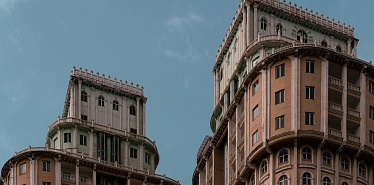
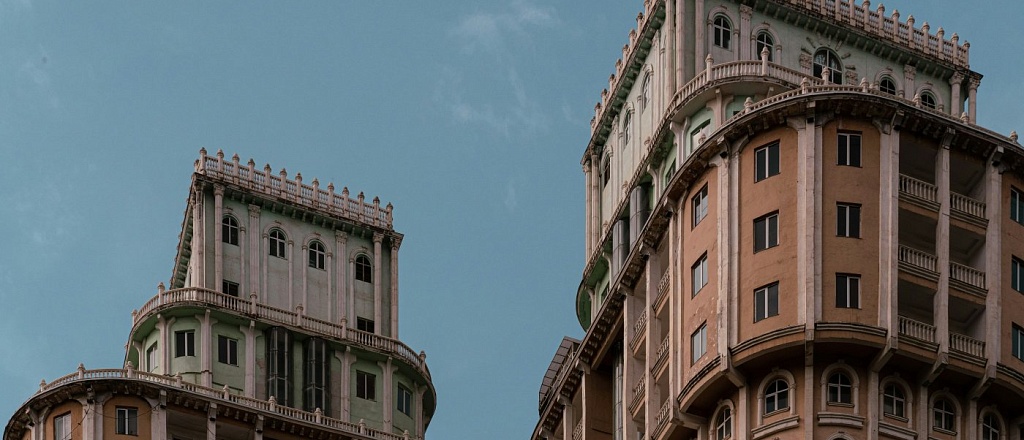
While Rudaki Avenue has become more polished in recent years, its northern stretch near the former Zarafshon Cinema preserves some of the capital’s most classic mid-century Soviet architecture. Wide pavements, mature plane trees, and pastel facades set the tone for a relaxed urban stroll.
Worth exploring: ornamental plasterwork on facades, symmetrical residential blocks with high ceilings, and public benches that feel unchanged since the 1960s.
Somoni District
The area surrounding the Ayni Opera and Ballet Theatre is one of Dushanbe’s most atmospheric cultural zones. Flanked by green spaces and bookended by monumental buildings, this quarter blends neoclassical design with local Tajik motifs.
Worth exploring: the theatre’s grand facade, the colonnaded Library of National Works, and nearby pre-independence residential buildings with intricate balconies.
Pushkin Street
Pushkin Street is a time capsule. Unlike Dushanbe’s newer neighborhoods, here you’ll find low-rise homes from the 1940s-50s, leafy sidewalks, and quiet corners that speak to the city’s early Soviet planning. This area was once home to teachers, scientists, and officials — and much of that modest dignity remains.
Worth exploring: decorative gates, wooden window frames, and faded wall murals from the late Soviet era.
Near the Central Railway Station
To the west of Dushanbe’s central railway station lies a micro-district that feels suspended in time. A blend of Stalinist apartment blocks and utilitarian modernist structures, this area showcases the transition from grandeur to functionality in Soviet urban design.
Worth exploring: high-arched entrances, mosaic-covered walls, and communal courtyards with drying lines and benches.
Ismoili Somoni Monument and Park Neighborhood
Though dominated by the grand monument itself, the surrounding park and residential lanes also offer smaller-scale architectural gems. The backstreets leading away from the monument contain some of Dushanbe’s oldest still-inhabited buildings, many featuring stucco facades and shaded verandas.
Worth exploring: narrow side streets, informal gardens, and classic tiled entryways.