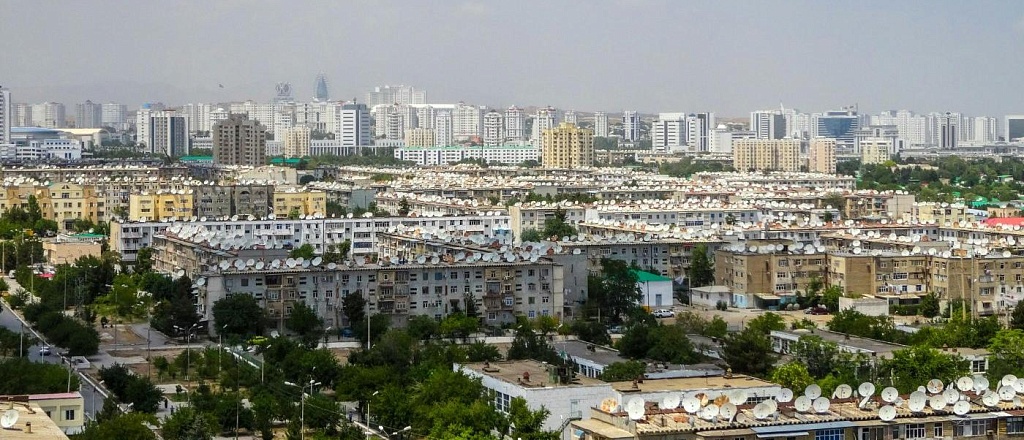

From futuristic white-marble architecture to ancient Silk Road ruins — Turkmenistan’s capital is one of the most visually surreal cities in the world. Ashgabat is a city of contrasts, where post-Soviet ambition meets desert mystique. Whether you're fascinated by history, architecture, or off-the-grid experiences, here are 10 top places to explore.
Independence Monument
Standing over 100 meters tall, this dramatic structure dominates the city skyline with its golden spire and crescent top. Surrounded by fountains, sculptures, and a vast park, it serves as a proud symbol of Turkmenistan’s sovereignty and national identity. At sunset, the white marble glows against the desert sky, creating a striking visual.
Turkmenbashi Ruhy Mosque
Located just outside Ashgabat in the village of Gypjak, this mosque is a tribute to the first president, Saparmurat Niyazov. The mosque’s massive white dome and minarets are inscribed not only with Quranic verses but also lines from the Ruhnama, Niyazov’s spiritual guide for the nation. Its scale and quiet setting make it both a religious and architectural landmark.
State Museum of Turkmenistan
This vast museum houses thousands of artifacts that chronicle Turkmenistan’s complex past — from ancient Bronze Age settlements to the Parthian and Islamic periods. It houses a remarkable collection of over 130 000 exhibits that trace the rich heritage of the Turkmen people — from ancient civilizations that once thrived in the region to the country’s present-day independence. Outside the museum stands a striking landmark: a 133-meter flagpole, which held the world record for height until 2010. The museum remains one of Ashgabat’s most captivating attractions.
Monument of Neutrality
Once positioned in the city center, this towering 95-meter arch is now situated in southern Ashgabat. At its top stands a golden statue of Turkmenbashi that once rotated to follow the sun. Although the rotation has stopped, the panoramic views from the observation deck offer a striking perspective of the city’s geometric layout and glistening buildings.
Ashgabat Olympic Complex
Spanning over 1000 acres, this ultra-modern sports hub was constructed for the 2017 Asian Indoor and Martial Arts Games. It includes a velodrome, aquatic center, and dozens of arenas. The exterior, adorned with traditional Turkmen motifs, makes it one of the most futuristic architectural sites in Central Asia, even if access is mostly limited to guided visits.
Halk Hakydasy Memorial Complex
A solemn and architecturally striking landmark, the Halk Hakydasy complex is a space dedicated to national memory and reflection. Set within expansive landscaped grounds, it features a museum, an eternal flame, and three monumental structures that highlight key chapters in Turkmenistan’s heritage. The design blends tradition and modernity, offering visitors a serene environment to connect with the country's cultural identity and collective spirit.
Alem Cultural and Entertainment Center
This massive dome-shaped complex holds the Guinness World Record for the largest indoor Ferris wheel. Set inside a glass enclosure, the LED-lit wheel and surrounding entertainment areas make it a popular spot for families and visitors. At night, the entire structure lights up, reflecting Ashgabat’s love for grand, luminous architecture.
Old Nisa
Located 18 kilometers from Ashgabat, this UNESCO World Heritage site was the ancient capital of the Parthian Empire. The site’s mudbrick ruins stretch across desert hills and include remnants of fortresses, palaces, and temples that date back to the 3rd century BCE. It’s a reminder of Turkmenistan’s central role in the Silk Road and ancient global trade.
Ashgabat Cable Car
This scenic ride ascends into the Kopetdag Mountains, revealing breathtaking views of Ashgabat’s marble skyline framed by desert plains. At the summit, visitors can enjoy a mountaintop café, hiking trails, and cooler air — a welcome retreat from the summer heat. The trip provides a refreshing change in altitude and scenery.
Altyn Asyr Bazaar
This sprawling market is among the largest in Central Asia and a vital pulse of local life. Divided into sections for carpets, livestock, clothing, and electronics, it offers a sensory overload of colors, smells, and sounds. Handcrafted Turkmen rugs, traditional silver jewelry, and regional delicacies make it a top shopping and cultural experience.